This article is an example playbook, not a case study about a specific named customer. It shows the Challenge → Solution → Results structure teams use when shipping bots quickly with Botconsole. Use it as a template for your own internal write-ups or future public stories with real metrics.
Challenge (typical)
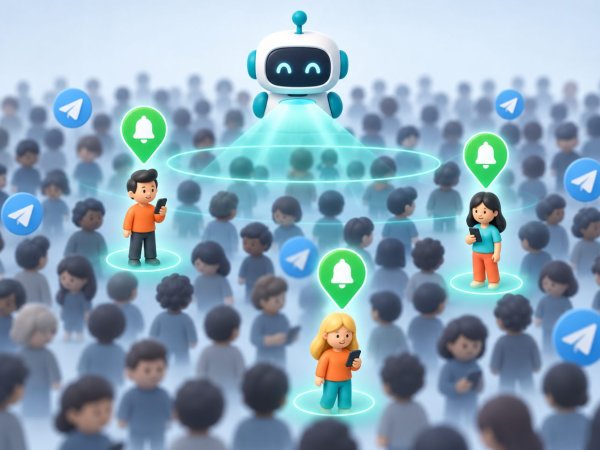
A growing product team faced three issues at once:
- Support overload — the same order and pricing questions every day on Telegram.
- Lost attribution — ads drove traffic, but chats had no UTM context.
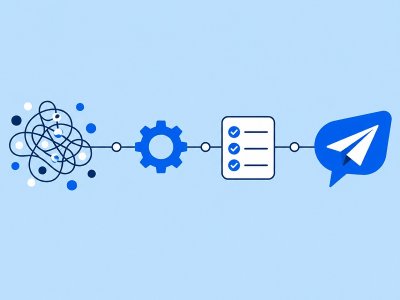
- Tool sprawl — a DIY bot, a website chat snippet, and a spreadsheet “CRM.”
Hiring more agents was expensive; waiting for engineering sprints delayed fixes.
Solution (example architecture)
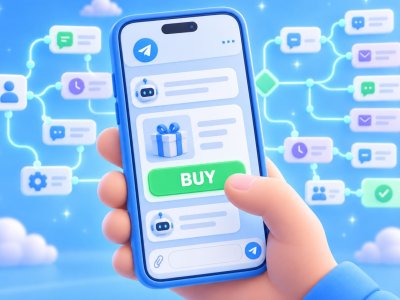
They consolidated on Botconsole:
| Piece | Implementation |
|---|---|
| Channel | Telegram bot + later website widget |
| FAQ + tone | AI dialog node with strict brand prompt |
| Order status | Google Sheets / API lookup after AI extraction |
| Leads | Variables + built-in CRM history |
| Booking | Google Calendar for demos |
| Ops | Single canvas, publish, analytics |
Week plan (illustrative)
- Day 1–2: BotFather + free Botconsole project + welcome flow
- Day 3–4: AI FAQ + Sheets order status
- Day 5: Handoff path + manager review of history
- Day 6–7: Widget on pricing page (paid plan), UTM checks
- Week 2: Payment or booking path if needed
Results (how to measure — fill with your numbers)
Replace these placeholders with real data when you publish a true case study:
| Metric | Baseline | After bot | Notes |
|---|---|---|---|
| Median first response time | — | — | Bot instant vs human queue |
| % of chats resolved without human | — | — | Define “resolved” carefully |
| After-hours bookings / orders | — | — | Calendar or payment events |
| Time spent editing bot copy | — | — | Canvas vs engineering tickets |
Do not invent ROI percentages for public marketing. Use this table as a measurement scaffold.
What made the approach work
- One high-value flow first (order status or booking), not a 40-node monster.
- AI + systems of record — no hallucinated logistics.
- CRM visibility — managers trusted the bot because they could audit chats.
- Omnichannel later — Telegram first, widget second, same scenario.
- Honest limits — free forever to prove value; upgrade when users/bots hit caps ($19 / $29 / $99).
Playbook checklist (copy for your team)
- Top 10 real user messages collected
- Happy path live in Telegram
- One integration to source of truth
- Human handoff defined
- Analytics reviewed after 7 days
- Pricing page / signup linked in bot where relevant
FAQ
Can we publish this as our case study?
Rewrite with permission, real metrics, and customer quotes. Keep the structure; replace illustrative sections.
How is this different from a tutorial?
Tutorials teach clicks. Case-style playbooks teach sequencing and metrics. You still need product tutorials for implementation detail.
Related
- AI Order-Status Bot with Google Sheets
- AI Booking Bot for Clinics
- Chatbot CRM: Leads, UTMs & History
Start building free → Run this playbook on your own funnel, then replace placeholders with real results.


Terms of material usage
Full or partial copying of materials is allowed only with an active and indexed link to the original source: https://botconsole.net/blog/en/6/case-study-template-how-teams-ship-bots